Orthodontics
Creating Confidence Inspiring Smiles
Spectacular smiles are not created by chance. They’re created through an unrelenting focus on every detail, no matter how small, and go beyond simply aligning teeth. The result is a smile that radiates confidence and leaves a lasting impression on all who see.
Having transformed thousands of smiles over the past 20 years, we understand that perfection can only be achieved through a strong aesthetic focus. Our cosmetically trained dentists go beyond simply straightening teeth and consider your facial structure and personality in designing the perfect smile, tailored specifically for you. After all, the difference between an average smile and your perfect smile is measured in fractions of a millimetre.
Orthodontics can correct:
Crooked Teeth
Teeth that are out of alignment, gappy or twisted.
Crowded Teeth
Where there is insufficient room in the jaw to accomodate all your teeth, they can overlap or twist.
Gaps Between Teeth
Excess space can cause food to get caught, which can lead to gum disease.
Overbite and Underbite
When the upper teeth overlap too far forward or over the bottom teeth, making it difficult to chew into some foods and causing excessive wear
Open Bite
Where top and bottom teeth don’t meet together. GThe teeth are moved into position so they can bite.
Crossbite
When some upper teeth sit inside the lower teeth instead of the outside. This can cause your teeth to chip, your teeth to wear and an uneven bite.
Orthodontic Options
There’s never a one size fits all approach. We’ll discuss all options to find you the right one.
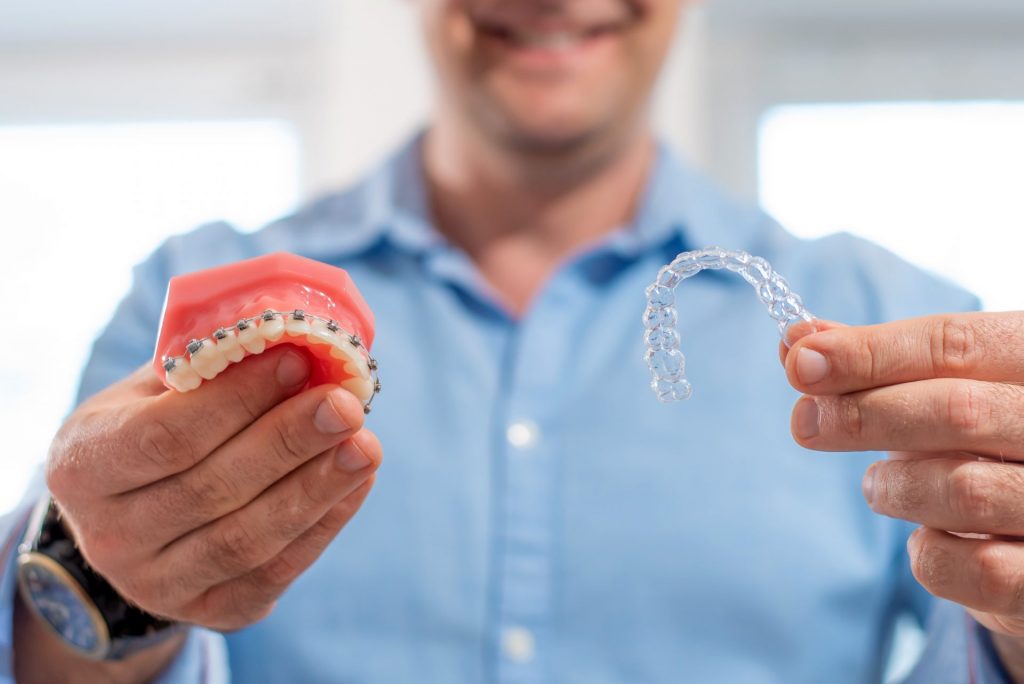
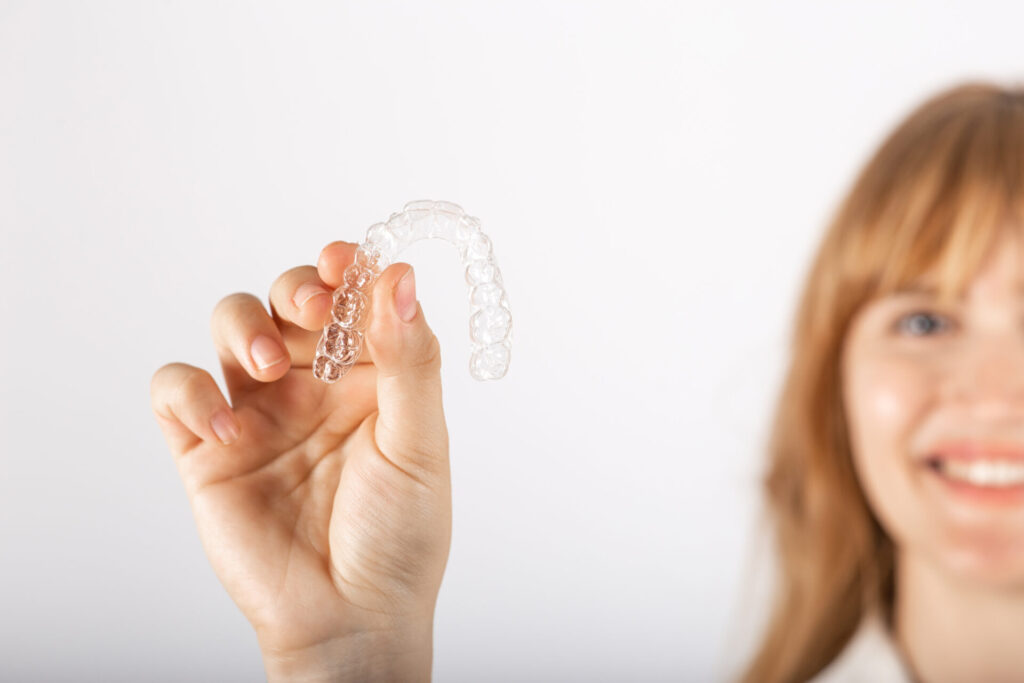
Clear Aligners
Wire-free and virtually invisible, removable when eating, comfortable smooth plastic.
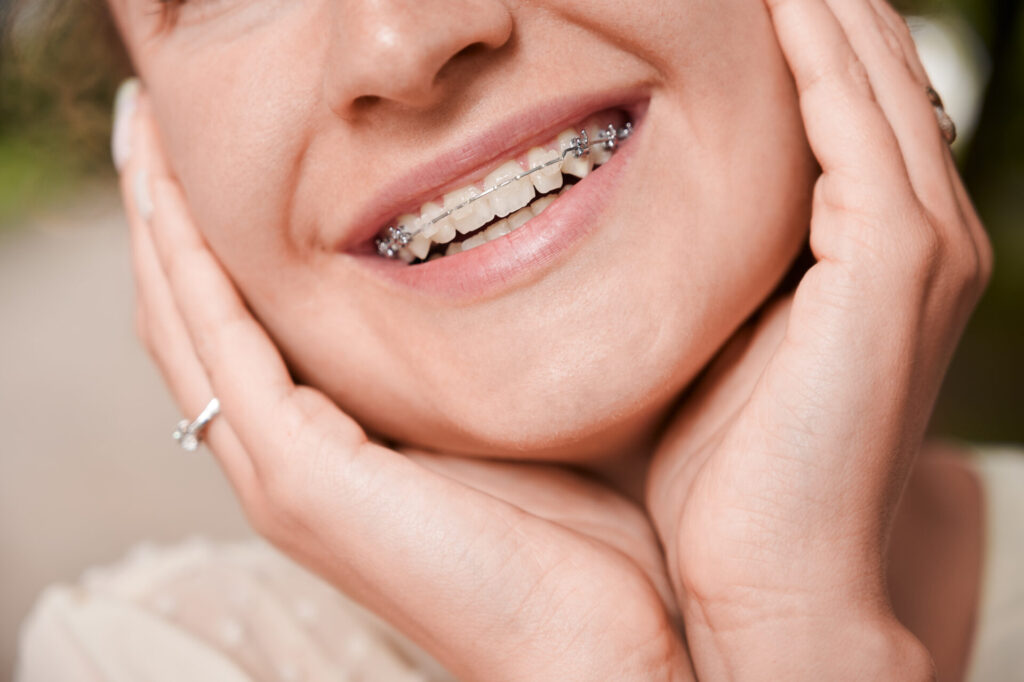
Fixed Orthodontics
Highly predictable and effective. No compliance issues (you can't forget to wear them)
Orthodontic Appliances
To correct misaligned bite (malocclusion) and to expand the palatal arch where it is too narrow.
Treatment Process
1
It Starts With A Digital Scan
No gross and messy moulds. We use a digital scanner to quickly and accurately capture your teeth in 3D.
2
Creating Your Perfect Smile
We work to fine-tune every shift in every tooth to create your new smile, taking into account your facial features and personality to ensure the end result is nothing short of spectacular.
3
Previewing your smile
You are able to preview your predicted new smile before you have even started. Once you start, we track your progress against the plan, giving you total control to make changes at every point of the process, all to ensure you’re completely happy with your new smile.
Advantages and Disadvantages of Clear Aligners
- Virtually Invisible: Clear and virtually invisible, they’re discreet when you’re wearing them and they’re easy to take out when you need to. Most people are unlikely to even notice them at all.
- Comfort Driven: Each aligner is designed to apply the right amount of force to move your teeth gently. There are also less components, so no brackets to break or wires that can poke and irritate your cheeks, lips, or tongue.
- Oral Health: Traditional braces cannot be removed and tend to collect food between the wires and brackets. Clear aligners are removable, so you can brush and floss normally.
- Compliance: You need to wear the aligners for at least 22 hours per day. Wearing them for less time may impact the progression and direction of treatment.
- Case Limitations: Not suitable for complex orthodontic cases, which may require traditional braces.
- Loss of Retainers: They are more easily misplaced or damaged, particularly when removed to eat or drink.
Advantages and Disadvantages of Fixed Orthodontics
- Control: They offer superior, precise, and highly controlled movement of teeth, making them ideal for complex cases
- Compliance: Being bonded, you cannot forget to wear them. Especially important for children, who may not wear clear aligners for at least 22 hours per day.
- Durability: Fixed braces are strong and rarely break, ensuring continuous treatment progress.
- Oral Hygiene: Harder to clean around wires and brackets. Plaque accumulation can increase, requiring good oral hygiene and regular dental visits.
- Aesthetics: Metal appliances are highly visible, which many adults find less appealing.
- Discomfort: Wires and brackets often cause initial pain and irritation of the gums and lips. This reduces over time as you get used to braces.
How Long Does Treatment Take?
Approximate timeframes for both fixed ortho and clear aligners.
Mild Cases
6 - 9 Months
Moderate Cases
12 - 18 Months
Complex Cases
18 - 36 Months
Common questions
Your questions answered.
Do clear aligners and fixed ortho hurt?
Temporary discomfort is common at the start of treatment and after every time the wires are tightened on fixed orthodontics and the next aligner tray is fitted in. This typically lasts for the first 1-3 days. This happens because each change gently shifts your teeth, which creates pressure on the ligaments holding them in place.
How often do you need to wear clear aligners?
Clear Aligners need to be worn for at least 22 hours out of every 24 hour window. They should only be taken out when eating, drinking and brushing your teeth. Wearing them for less than this may affect the progress and direction of your treatment.
Can adults get orthodontics?
YES! More adults than ever are choosing to straighten their teeth. Common reasons include improving their confidence, correcting teeth that have shifted over time, fixing bite issues causing wear or discomfort and enhancing overall oral health and hygiene. There is no upper age limit for orthodontic treatment, so long as your gums are healthy and your teeth are stable.
How often are appointments?
Clear aligners: Typically every 6-8 weeks. During each visit, we’ll check your tooth movements and progress, provide your next set of aligners and make small adjustments if needed. Because aligners are pre-planned digitally, visits are quick and efficient. For fixed orthodontics, typically every 4-6 weeks. During each visit, we’ll adjust wires and brackets, monitor tooth movements and manage any issues (e.g. loose brackets). Appointments are typically 15-30 minutes in duration.
Will my teeth move back afterwards?
Teeth can shift over time, but with the right retention plan, your results can be maintained long term. All orthodontic patients require retainers to maintain their results. There are two main types: clear removable retainers that are worn nightly and fixed retainers (bonded wire) that is placed behind the front teeth. This is not visible and provides additional support.
The information and advice is general in nature and not intended to constitute medical or dental advice, diagnosis or treatment. Contact us for advice specifically relevant to your situation.